GENDAR
GEND.AR: Privacy-Preserving Gender-Inclusive In-Person Social Encounters Using Secure Multiparty Computation
Screenshots
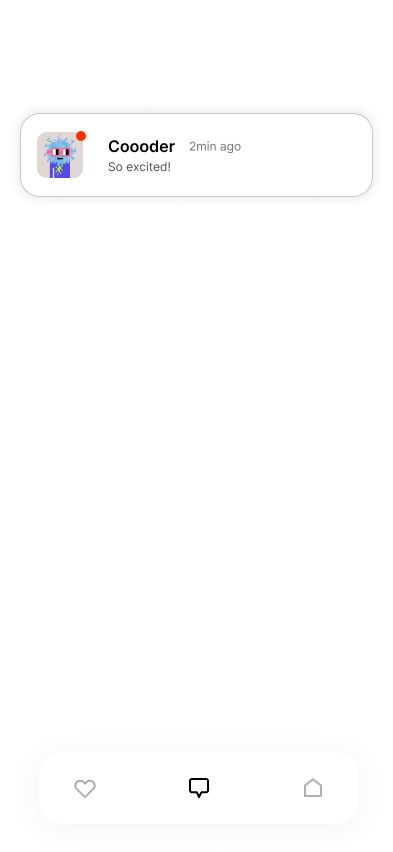
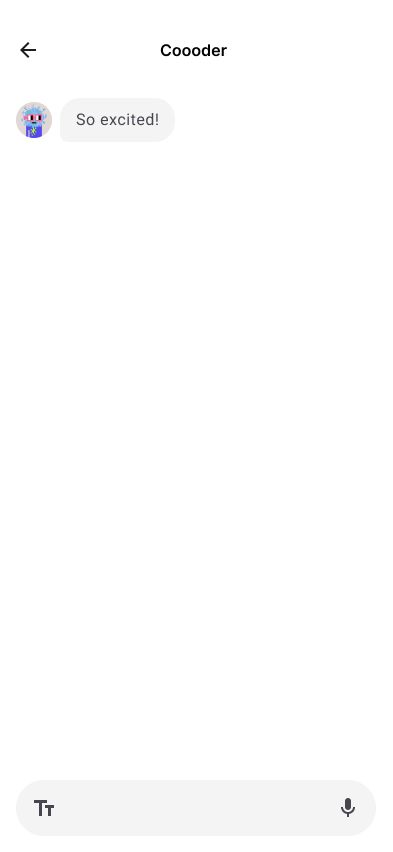
Problem Statement
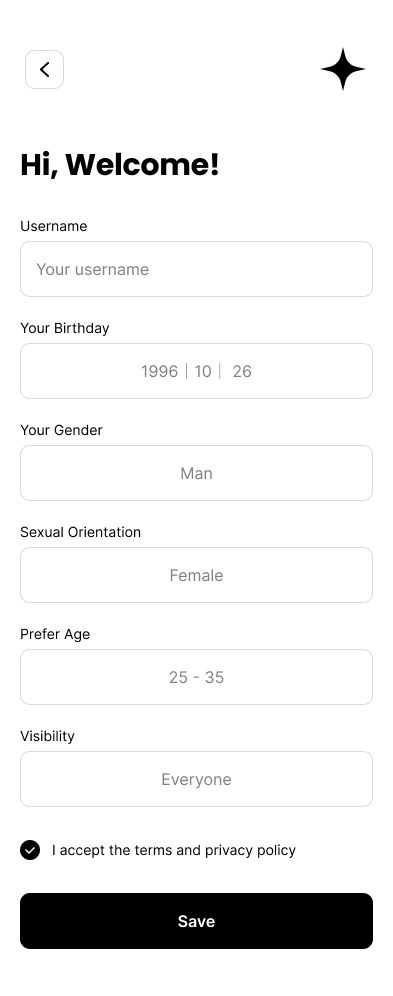
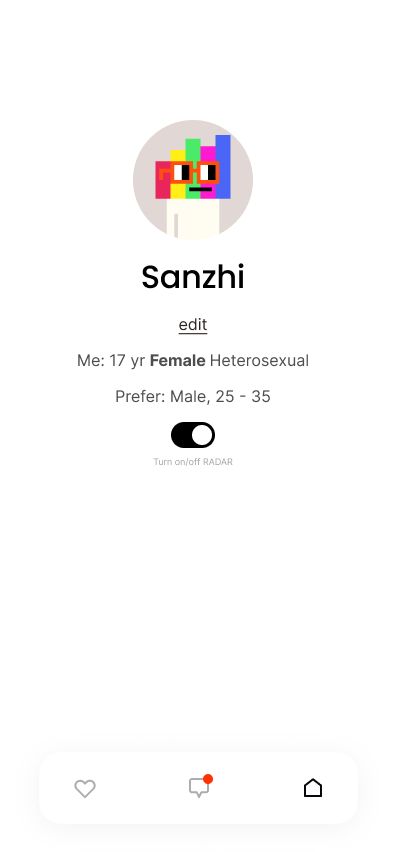
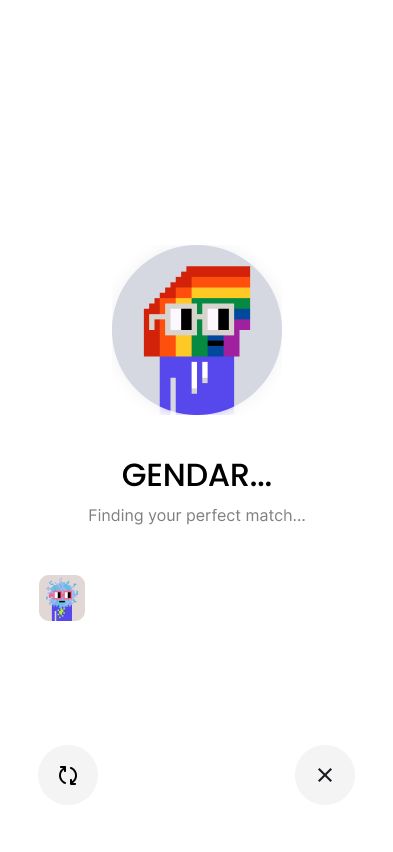
Spontaneous social encounters in contemporary society present a coordination challenge around gender and identity. While some people rely on visual cues and stereotypes (colloquially known as 'gaydar') to infer others' gender identity, expression, orientation, or preferred pronouns, such assumptions are both unreliable and potentially harmful. This creates a social dilemma: direct questions about personal identity may feel invasive, yet incorrect assumptions can damage relationships and cause distress. The challenge lies in navigating these interactions respectfully while acknowledging both individual privacy and the need for authentic recognition.We proposeGEND.AR, an extended reality application that addresses this social coordination challenge through privacy-preserving technology. The system enables users to discover compatible individuals within their social proximity (10-20 meters) without compromising personal information. Using secure two-party computation protocols over Apple'sMultipeerConnectivityframework (technology behind AirDrop), GEND.AR performs encrypted compatibility calculations when users are nearby. These calculations consider sexual orientation, gender identity, availability, and visibility preferences, without revealing individual attributes to anyone—including non-matching users and third parties. All personal information remains exclusively on users' devices, eliminating the need for centralized servers.Upon detecting a mutual match, the extended reality interface displays a subtle, calming animated visual indicator connecting the matched users. Thisminimalistapproach avoids intrusive notifications while maintaining discretion. Non-matching users receive no notifications, thereby preserving privacy and preventing social awkwardness. To ensure authenticity and prevent misuse, the system employszero-knowledge prooftechnology through platforms likeOpenPassportandWorldCoin, requiring proof of personhood through bio-verification or passport-proof identities. While the system supports gender fluidity, it maintains accountability by tracking identity changes—users' identity modification patterns are visible to potential matches, and frequent changes are flagged to prevent potential misuse of the platform.As anexperiential futuresdesign, GEND.AR explores potential technological solutions for facilitating authentic social connections in gender-inclusive spaces. While current technological and social constraints may limit immediate widespread adoption, this speculative project aims to spark discussion about how privacy-preserving technology could support authentic social connections while maintaining individual dignity and agency in future gender-inclusive spaces.
Solution
Techological StackGame Engine:Unity 6 LTSHardware:HoloKitMR headset for spatial computingiPhone 15 Pro for computational processingNetwork Layer: Apple'sMultipeerConnectivityIdentity Verification (Zero-Knowledge Proof):WorldCoin(Bio-verification)OpenPassport(Passport-proof identities)Core Protocol:We employed a secure two-party computation (2PC)Cursive Team's 2P-PSIthat:Enables private set interaction between users Maintains privacy of user preferencesOperates in real-time within spatial computing constraintsImplementationsGEND.AR has been prototyped as a proof-of-concept mixed reality application combining privacy-preserving computation with spatial computing. Built on Unity 6 LTS and targeting the HoloKit mixed reality headset paired with iPhone 15 Pro, our implementation leverages HoloKit's optical system for immersive experiences and the iPhone's Neural Engine for high-performance processing. The core functionality centers on a secure two-party computation protocol operating over Apple's MultipeerConnectivity framework, enabling private set intersection between users while maintaining preference confidentiality. Currently in the testing phase, our team is focused on fine-tuning the user experience, optimizing computational performance, reducing power consumption, minimizing interaction latency, and validating protocol security to advance privacy-conscious mixed reality social interactions.Related Works This work draws inspiration from Barry Whitehat's influential presentation"2PC is for Lovers"delivered at PROGCRYPTO 2023.
Hackathon
ETHGlobal Bangkok
2024
Prizes
- 🏆
World Pool Prize
World
Contributors
- Coooder-Crypto
39 contributions
- crazyyuan
14 contributions

