reputable
Reputable is built to enable any verified human beings to issue micro-credentials with a decay function.
Screenshots
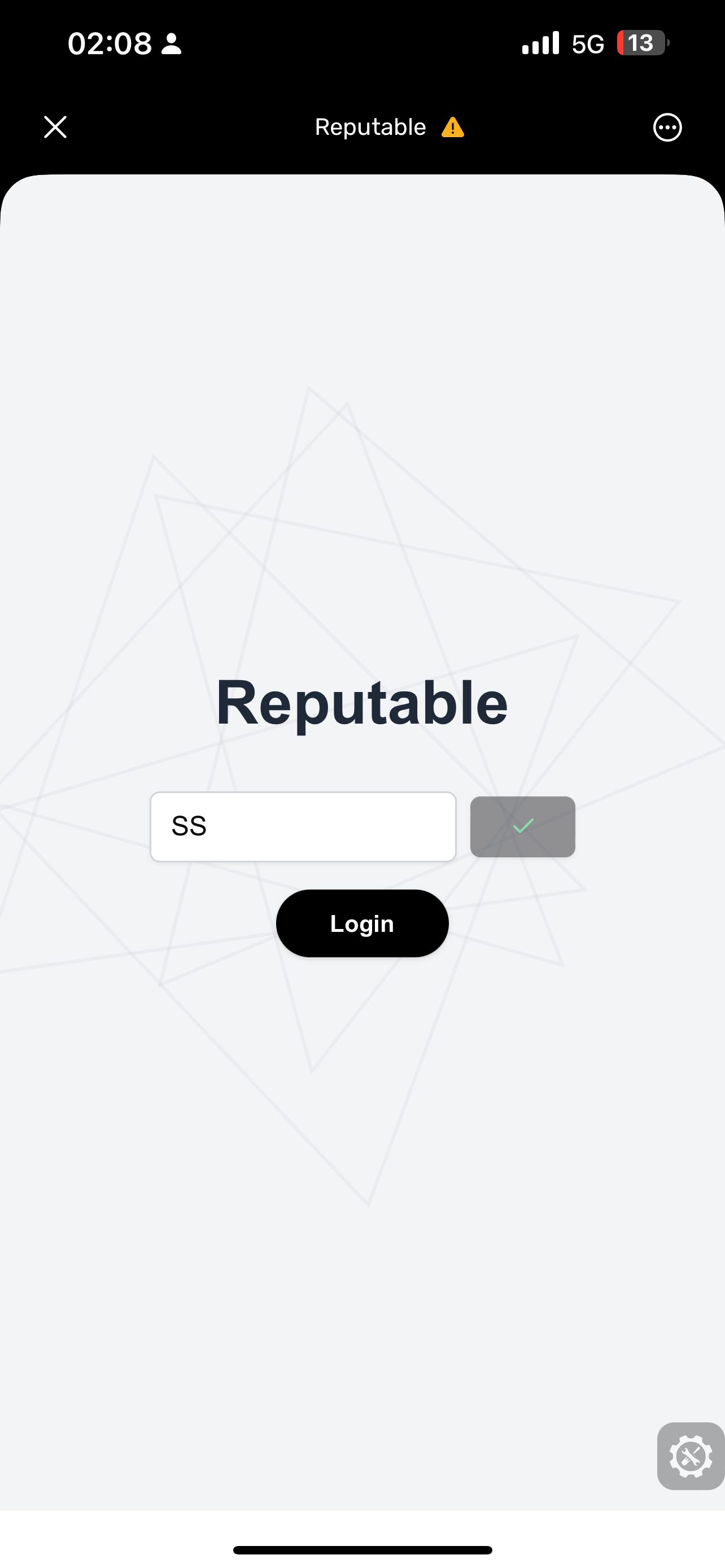
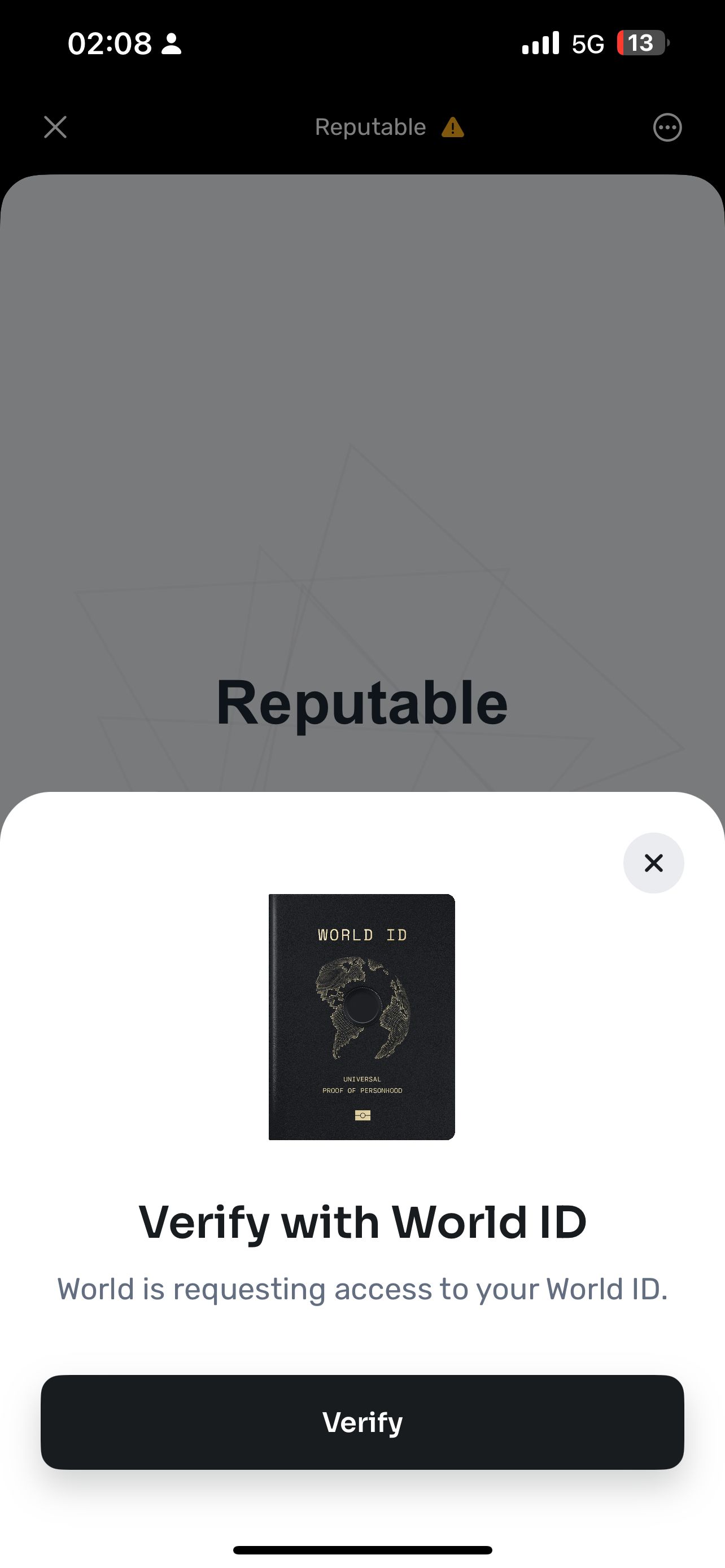
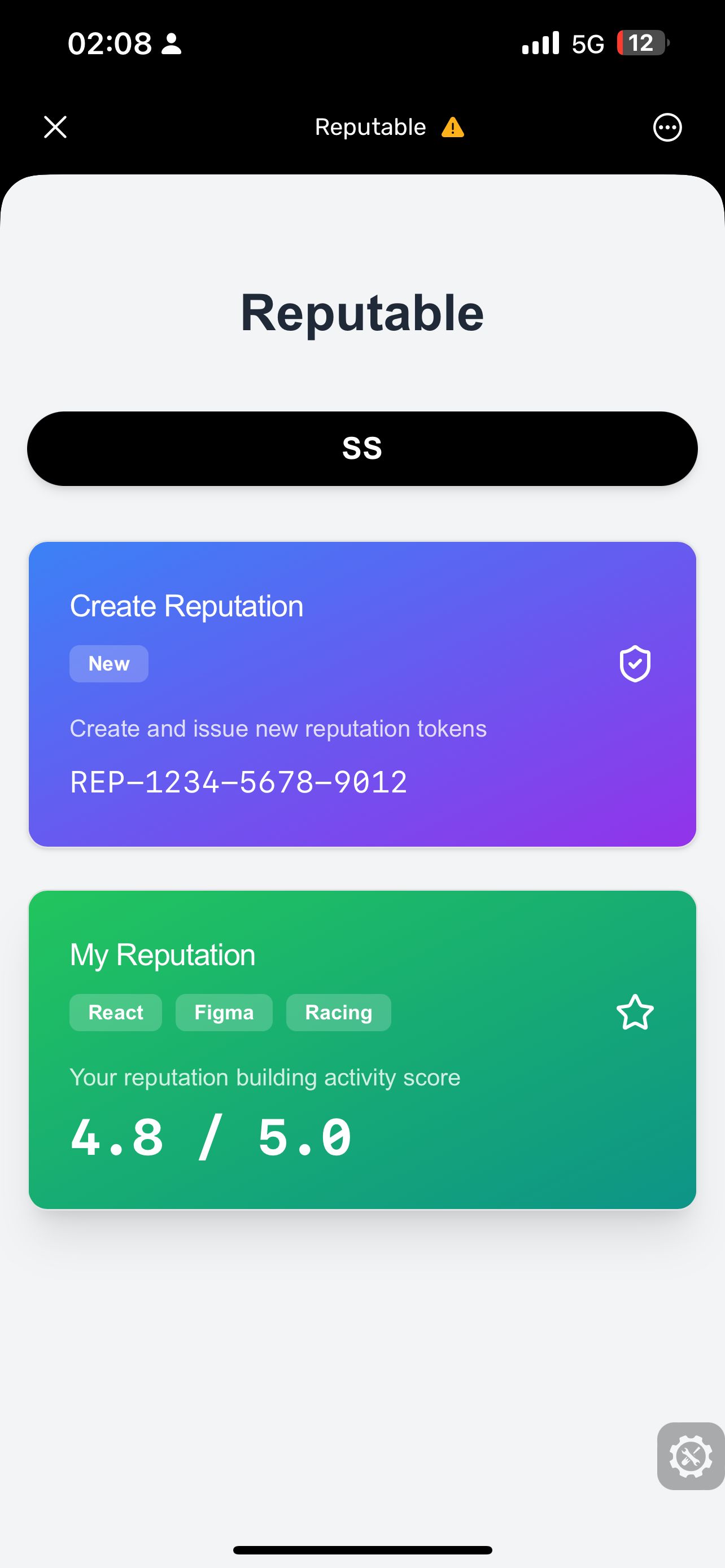
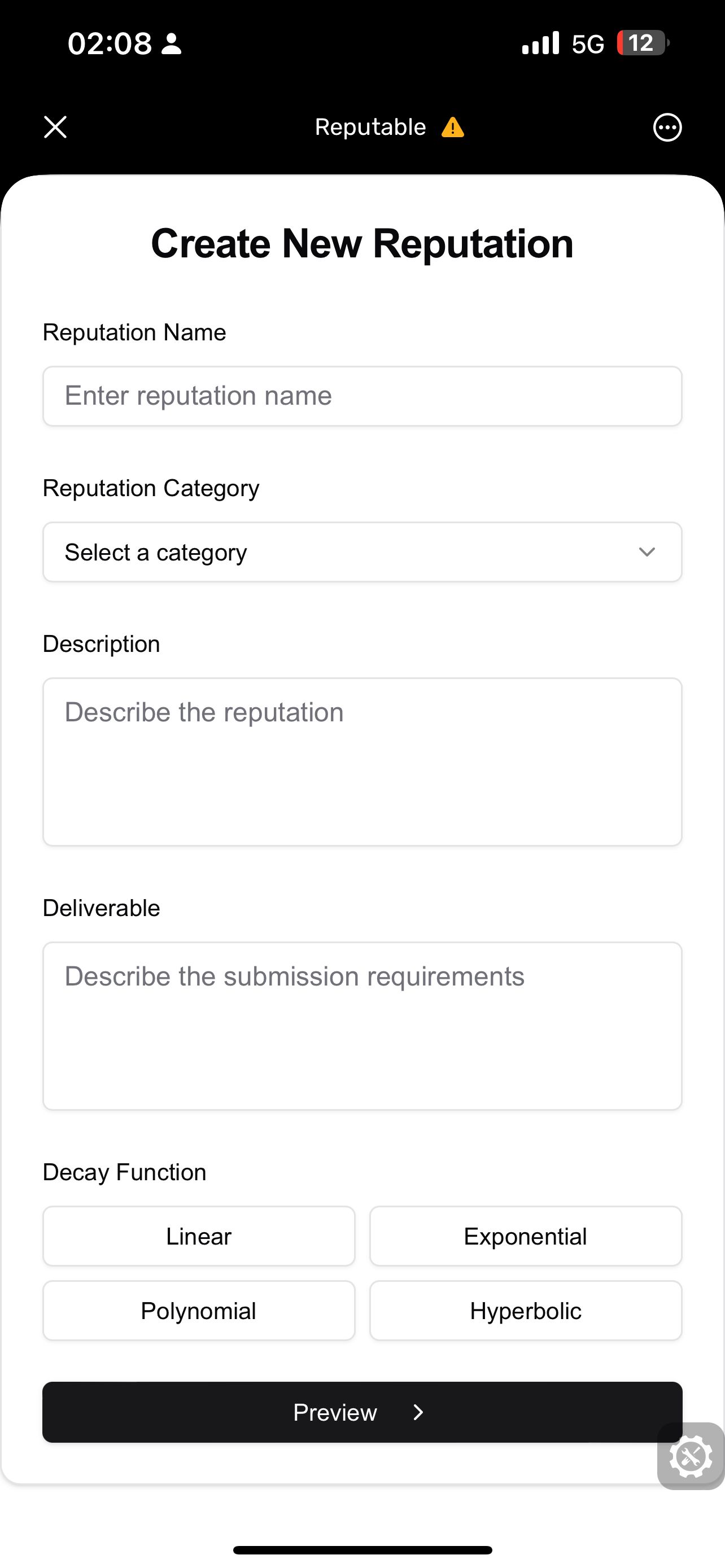
Problem Statement
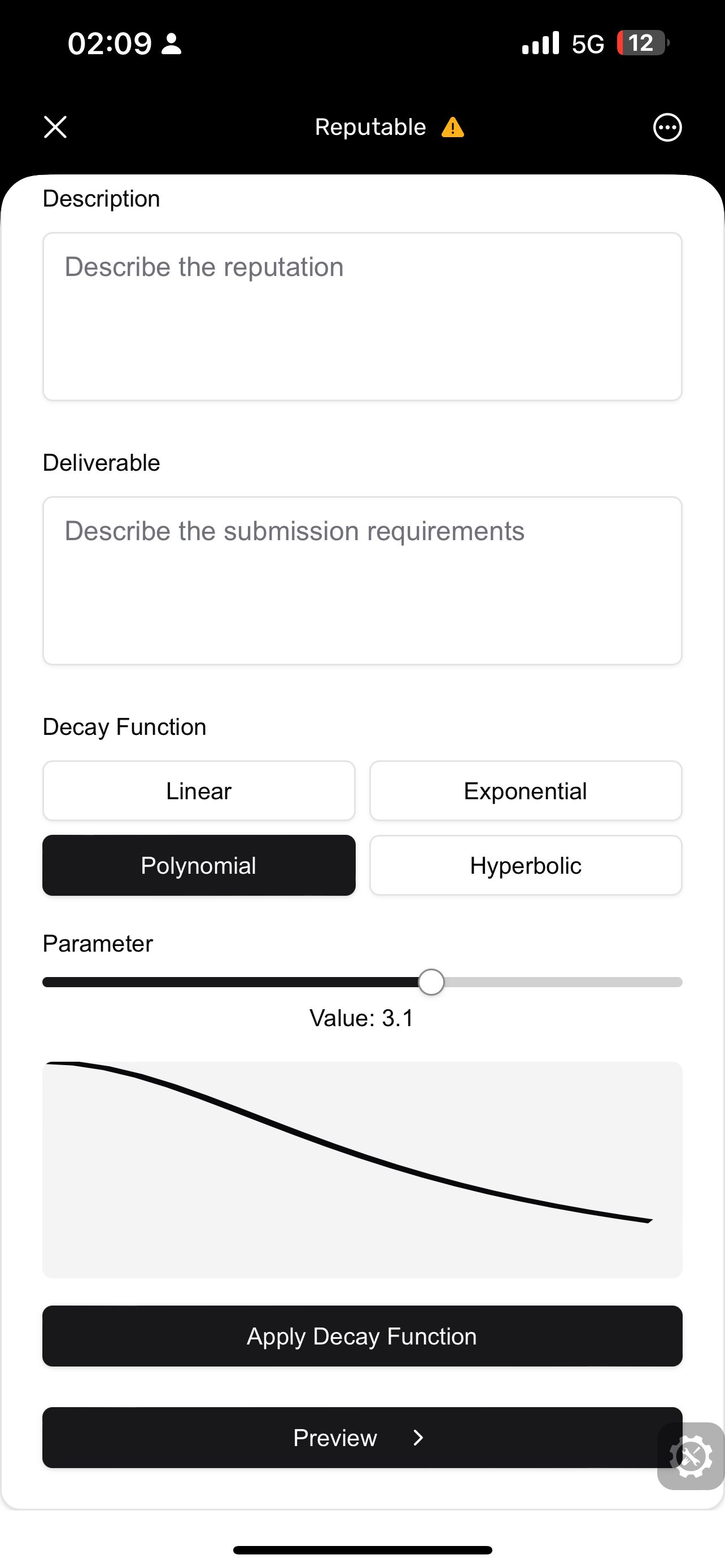
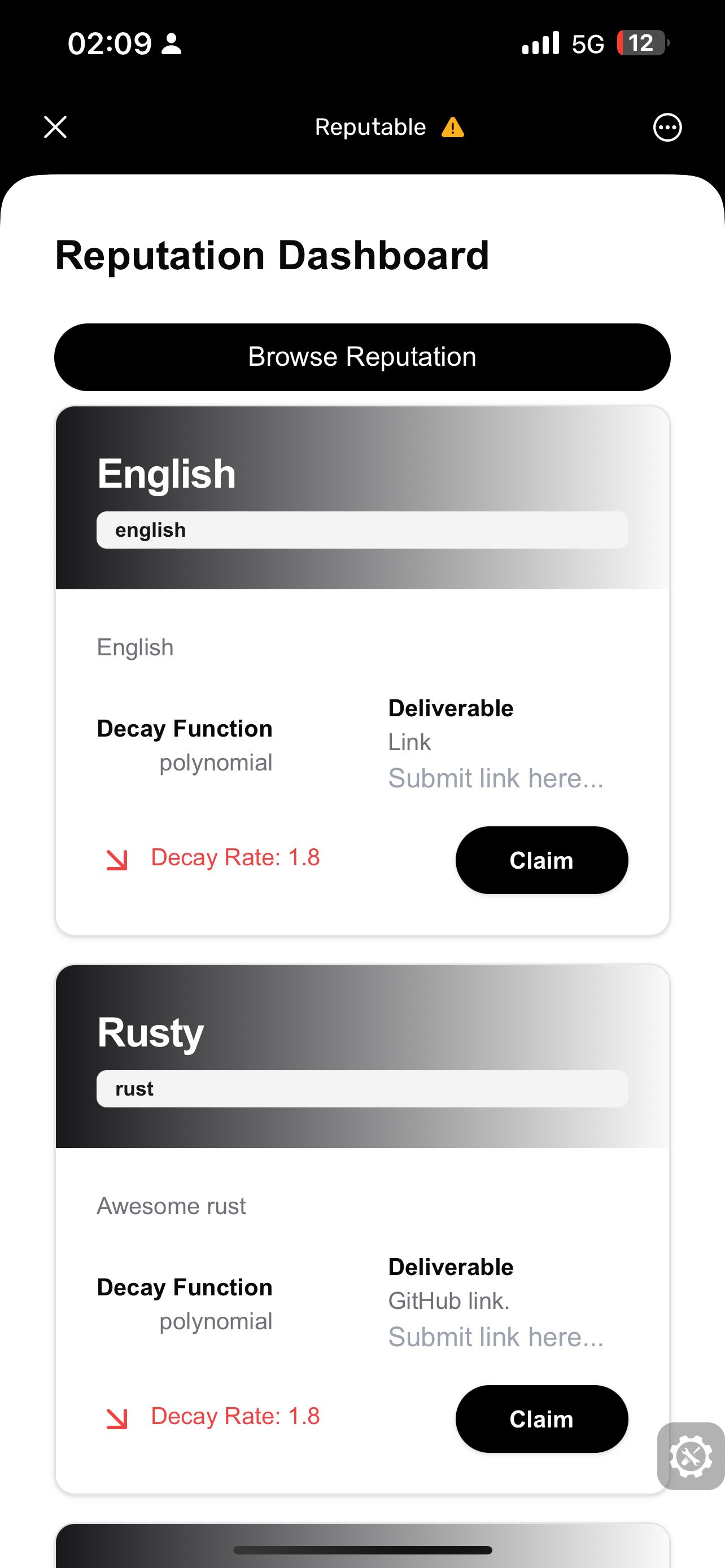
Reputable is an easy-to-use form designed to empower verified humans to issue micro-credentials, creating a decentralized and dynamic credentialing system. These micro-credentials represent specific skills, achievements, or contributions, and are issued with a decay function that ensures their relevance over time.Key Features:1. Verified Issuers: • Only verified humans can issue micro-credentials, ensuring authenticity and trust within the system. Verification can be achieved through identity checks and integrations with World App. 2. Micro-Credentials: • These are lightweight, specific, and verifiable records of achievement or skill. They enable a granular, modular approach to recognizing expertise or contributions, moving away from traditional, rigid certification models. 3. Decay Function: • Each micro-credential includes a time-based decay function that gradually reduces its weight or validity over a predefined period. This encourages continuous learning and skill updates while reflecting the evolving nature of expertise and relevance. 4.Dynamic Reputation System: • Beyond individual credentials, the platform aggregates them into a dynamic reputation score for users, offering a real-time view of their credibility and expertise.Use Cases:• Education: Teachers and mentors can issue micro-credentials for completed courses, projects, or milestones. • Workplace: Employers can recognize specific achievements, such as successful project completions or mastery of a new tool. • Communities: Community leaders can reward contributions like organizing events or providing technical support. • Freelancers and Creators: Clients can issue credentials for high-quality work delivered, building a trackable history of professional achievements.Vision:Reputable aims to redefine how society recognizes and rewards skills and contributions. By introducing a system where credentials evolve over time, the platform fosters a culture of continuous growth and accountability. It creates a future where micro-credentials not only enhance individual potential but also build collective trust and transparency in the knowledge economy.
Solution
This project is built as a mini app with MiniKit provided by the World App. The project is built with Next.js as the frontend and api layer, the database used is neo4j. The reason to choose a graph database is for future social graph building. The test is done using ngrok as test deployment platform and Eruda as logging solutions on the phone.
